
5 Plating and Food Presentation Tips for Restaurants
Guests eat with their eyes first.
Aside from the quality of a dish, the way it’s presented also matters. Living in a social media-centric world where guests snap a photo of their meals, having excellent food presentation can act as a free marketing tool for your restaurant or venue.
Plating and styling food might seem like an afterthought, but it really shouldn’t be treated that way. After all, elevating your food presentation can draw the fine line between a memorable and forgettable guest experience.
Restaurants that allow creativity to reflect in their presentation often see higher customer satisfaction, better reviews, and increased social media exposure.
Why First Impressions Matter in Dining
When your staff serves a guest their food, their first look should be met with excitement.
A visually appealing plate signals freshness, care, and professionalism. On the other hand, poorly presented food, even if it tastes great, can disappoint diners. Studies in food psychology show that presentation affects perceived taste. Simply put, better-looking food often tastes better to customers.
Food presentation enhances the entire dining journey. It creates anticipation, adds value, and can even justify premium pricing. Restaurants that focus on plating often stand out in crowded markets.
Food Plating Basics
Before diving into plating and food presentation tips, it’s essential to understand the fundamentals.

Balance, Proportion, and Symmetry
A well-plated dish should feel balanced. This means distributing food evenly without overcrowding. Symmetry can create a sense of order, while intentional asymmetry adds a modern touch.
Colour Contrast in Dishes
Bright, contrasting colours make dishes visually appealing. Think of pairing greens with reds or whites with vibrant sauces. This contrast draws attention and stimulates appetite.
Texture Variety for Appeal
Combining textures—like crispy, creamy, and crunchy—adds depth. It also makes the dish more interesting both visually and physically.

Tip 1: Use the Right Plate and Dishware
Choosing the right plate is the foundation of a great presentation.
Plate Size and Shape Considerations
Large plates can make portions look smaller but more elegant, while smaller plates create a fuller appearance. Round plates are classic, but square or uniquely shaped plates can add a modern flair.
Matching Plate Colour with Food
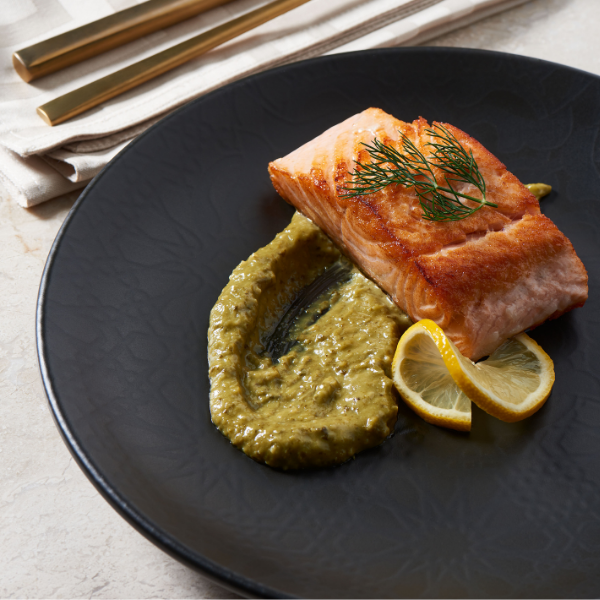
White plates are popular because they highlight food colours. However, dark plates can create dramatic contrast for lighter dishes.

Tip 2: Focus on Colour and Contrast
Colour is one of the most powerful tools in food presentation.
Using Natural Ingredients for Colour
Use fresh herbs, vegetables, and sauces to add natural colour. For example:
Green from parsley or basil
Red from tomatoes or peppers
Yellow from sauces or grains
Avoiding Monotony in Plating
Avoid serving dishes that look too similar in colour. A plate with all brown elements can appear dull. Add variety to keep it visually exciting.

Tip 3: Master the Art of Arrangement
Arrangement is where creativity shines when plating. Whether it’s for savoury meals or delectable desserts, proper placements of ingredients and garnishes can elevate the look of a dish.
Rule of Thirds in Food Plating
Divide the plate visually into three sections. Place the main item slightly off-center to create a dynamic look.
Creating Height and Layers
Stacking ingredients or layering components adds dimension. For example, placing protein on top of vegetables creates visual interest and sophistication.
Tip 4: Pay Attention to Garnishing
Garnishes are the finishing touch—but they must be used wisely.
Edible vs Non-Edible Garnishes
Always use edible garnishes. Customers should be able to enjoy every part of the dish.
Minimalism in Garnishing
Less is more. Over-garnishing can clutter the plate and distract from the main dish.

Tip 5: Keep It Clean and Consistent
Cleanliness and consistency are crucial in professional plating.
Importance of Clean Edges
Wipe plate edges before serving. Smudges or spills can ruin an otherwise perfect presentation.
Standardisation Across Dishes
Consistency ensures that every customer gets the same experience. Train staff to plate dishes uniformly.
Common Mistakes in Food Presentation
Even experienced chefs and operators can fall into plating pitfalls that impact both perception and guest satisfaction. Here are more common mistakes to watch out for:
Overcrowding the Plate
Too much food can make the plate look messy. Leave some negative space to highlight the dish.
Ignoring Portion Control
Uneven portions can affect both appearance and customer satisfaction.
Lack of Focal Point
Every dish should have a clear star. When there’s no focal point, the presentation can feel confusing or unintentional, making it harder for guests to immediately understand the dish.
Wrong Plate Choice
Using plates that are too large, too small, or mismatched in style can throw off the entire presentation. The plate should complement the dish, not compete with it.
The Power of Plating in Dining
Mastering the art of plating and food presentation can transform ordinary dishes into memorable experiences. From choosing the right plate to perfecting arrangement and maintaining consistency, each step plays a vital role.
Restaurants that highlight presentation not only delight customers but also strengthen their brand and increase profitability. By applying these tips, you can elevate your dining experience and stand out in the competitive food industry.
Plating and Food Presentation FAQs
1. Why is food presentation important in restaurants?
It enhances customer experience and influences how food is perceived and enjoyed.
2. What are the key elements of plating?
Balance, colour, texture, and arrangement are essential elements.
3. How can restaurants improve food presentation quickly?
Start by using clean plates, adding colour contrast, and simplifying arrangements.
4. What is the best plate colour for presentation?
White is most common because it highlights food colours effectively.
5. Should garnishes always be edible?
Yes, all garnishes should be edible and complement the dish.
6. How does presentation affect customer satisfaction?
Better presentation increases perceived quality and enjoyment.


Comments